 Benny Morgan
 Karla Spencer
📰 Key Takeaway: Amazon warns 310 million users about surging scams and cyberattacks during Black Friday holiday season threatening personal data and payment details.
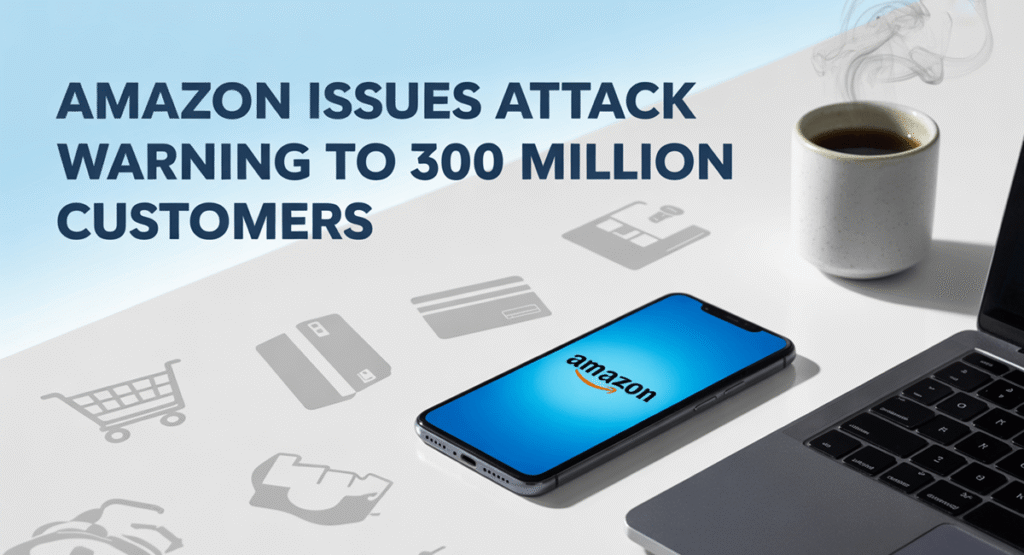
Amazon Issues Attack Warning: What You Need to Know
On November 24, 2025, Amazon issued a significant security advisory to its massive customer base, warning about a dramatic surge in scams and cyberattacks targeting online shoppers during the Black Friday and holiday shopping season. The company’s alert specifically targets its estimated 310 million active customers in the United States, emphasizing the critical need for heightened security awareness during this high-traffic retail period.
This warning comes at a particularly vulnerable time for shoppers. During the holiday season, consumers are more likely to make impulsive clicks on order updates, delivery notifications, and discount offers—exactly the type of actions cybercriminals exploit to gain access to sensitive information. Amazon’s proactive approach to alert its user base reflects the growing sophistication and volume of cybercrimes targeting the e-commerce giant’s customers.
Why Amazon Customers Are Prime Targets
Amazon’s massive user base and the wealth of personal information stored within customer accounts make the platform an exceptionally attractive target for cybercriminals. According to the company’s security advisory, criminals are specifically trying to gain access to sensitive information including personal data, financial details, and Amazon account credentials. These thieves understand that successfully compromising an Amazon account can provide them with a gateway to payment information, saved addresses, purchase history, and other personal identifiers.
The timing of these attacks is particularly strategic. During the Black Friday and holiday shopping period, transaction volumes spike dramatically, making it harder for both Amazon’s security systems and individual users to detect anomalies. Cybercriminals leverage this chaos to their advantage, knowing that shoppers are distracted, stressed, and more likely to act hastily when they receive messages about order issues, delivery delays, or account problems.
Common Scam Tactics Attacking Amazon Users
Security researchers and Amazon have identified several distinct scam methods that criminals are currently deploying against unsuspecting shoppers:
- Fraudulent Delivery and Account Messages: Scammers send fake emails or text messages claiming there are issues with orders or Amazon accounts. These messages often appear remarkably similar to legitimate Amazon communications, making them difficult for average users to identify as fraudulent. The messages typically create a false sense of urgency, prompting users to click links or provide information immediately.
- Deceptive Third-Party Advertisements: Cybercriminals place misleading advertisements, particularly on social media platforms, offering unrealistically attractive discounts on popular products. These ads often direct unsuspecting users to malicious websites designed to capture their personal and financial information.
- Impersonation Calls: Scammers conduct unsolicited phone calls posing as Amazon tech support or customer service representatives. During these calls, they attempt to request payment information or login credentials by creating the impression that the customer’s account has been compromised or requires immediate action.
- Suspicious Phishing Links: Criminals send emails and text messages containing phishing links that appear genuine but actually redirect users to fraudulent websites. These links typically urge users to verify credentials, update payment details, or confirm account information—all steps that compromise account security.
How Amazon Customers Can Protect Themselves
Amazon’s security advisory provides actionable guidance that customers can implement immediately to strengthen their account protection and reduce vulnerability to attacks. Following these steps significantly reduces the risk of falling victim to cybercriminals.
- Use Official Channels Exclusively: Customers should make all account changes, track deliveries, and request support exclusively through the official Amazon website or mobile app. Legitimate Amazon communications will never ask users to access their account through third-party links or alternate websites. By consistently using only the official platform, users can verify the authenticity of every transaction and communication.
- Enable Two-Factor Authentication (2FA): Activating two-factor authentication adds a crucial additional security layer that blocks unauthorized access attempts, even if a cybercriminal manages to obtain login credentials. This method requires users to verify their identity through a second method—typically a code sent to their phone or generated by an authentication app—making it exponentially more difficult for attackers to compromise accounts.
- Adopt Passkeys for Stronger Authentication: Amazon recommends users implement passkeys, which utilize fingerprints, face recognition, or personal identification numbers for password-free sign-ins. Passkeys represent the evolution of digital security, eliminating the traditional password vulnerability while providing a more secure and user-friendly authentication method.
The Broader Context: Cybercrime During Holiday Shopping
This Amazon warning represents just one piece of a much larger cybersecurity challenge facing e-commerce platforms during the peak shopping season. Cybercriminals recognize that holiday periods present optimal conditions for launching attacks. Legitimate transaction volumes increase, security teams operate at capacity managing holiday traffic, and individual users are distracted and less vigilant about security protocols.
The convergence of increased digital activity, higher-value transactions, and consumer distraction creates a perfect storm for cybercriminals. E-commerce platforms like Amazon become focal points for coordinated attack campaigns designed to harvest credentials, payment information, and personal data at scale.
Expert Recommendations for Safe Holiday Shopping
As a cybersecurity professional with decades of experience monitoring digital threats, I recommend that all online shoppers adopt a multi-layered security approach during the holiday season. First, maintain healthy skepticism about unexpected communications claiming there are problems with your account or orders. Legitimate companies rarely contact customers requesting passwords or payment information via email or text.
Second, regularly monitor your account activity for unauthorized transactions or suspicious login attempts. Most platforms, including Amazon, provide activity logs that allow users to review login history and immediately spot suspicious access patterns.
Third, use strong, unique passwords for each online account—particularly for accounts linked to payment information. Password managers simplify this process by securely storing complex passwords, ensuring that if one account is compromised, others remain protected.
Finally, consider temporarily limiting online shopping during periods of particularly high attack activity, or use virtual credit card numbers and alternative payment methods that offer additional fraud protection layers.
Related Posts 👇
- SpyX Review 2026: Does It Really Keep Kids Safe?
- uMobix vs Eyezy: Which is Best Parental Control Tool?
- Lloyds IT glitch exposes 447,936 customers’ data in banking wake‑up call
- What Is Anthropic’s Claude Code Security And How Does It Work?
- 5 Best Snapchat Monitoring Apps for Parents (2026)
Conclusion: Vigilance Is Essential
Amazon’s warning to 310 million customers underscores a critical reality: cybersecurity is not something that large companies can solve alone. Individual users must remain vigilant, informed, and proactive about protecting their personal information. By understanding common attack tactics, utilizing the security features available through platforms like Amazon, and maintaining healthy skepticism about unexpected communications, shoppers can significantly reduce their vulnerability during the holiday season and throughout the year.
The battle against cybercrime is ongoing, and it requires constant awareness from both corporate security teams and individual users. As we enter the peak holiday shopping period, now is the time to review your security practices, enable advanced authentication methods, and remain alert to the sophisticated tactics that cybercriminals deploy against unsuspecting shoppers.